Coco Peat vs Potting Soil: Which One’s Actually Better for Your Plants?
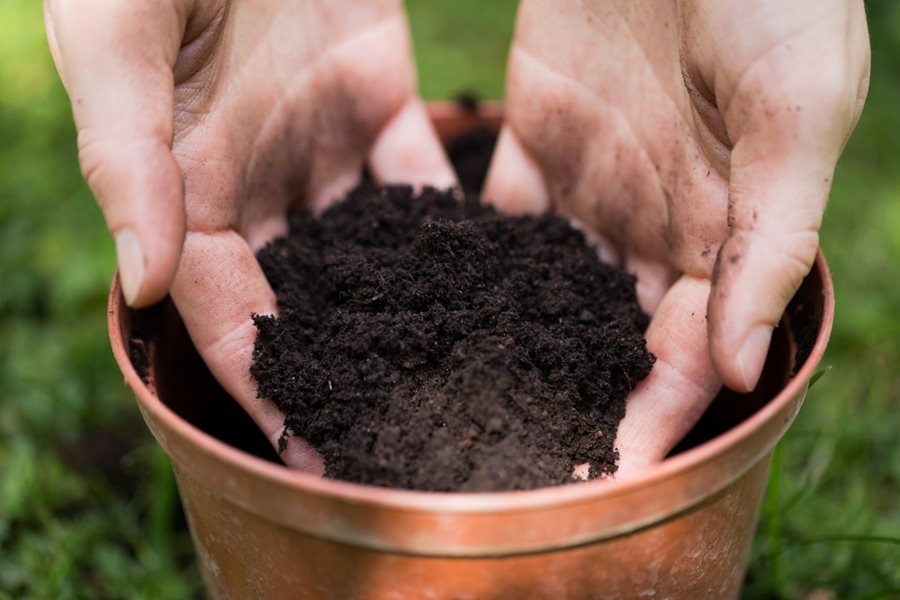
When it comes to choosing the right growing medium, most gardeners find themselves comparing two common options, potting soil and coco peat. Or maybe, some aren’t aware of coco peat. However, both have their benefits; both support plant growth in different ways, and both are widely used by home gardeners and professionals alike.
But if you had to choose, which one is truly better for your plants? In this blog, we’ll break down their differences and strengths so you can make an informed choice based on your growing needs.
Coco Peat and Potting Soil: A Quick Breakdown
Potting soil is the go-to for many gardeners. It’s usually a mix of soil, compost, sand, and sometimes even slow-release fertilizers. It’s designed to be nutrient-rich and easy to use right out of the bag.
Coco peat, on the other hand, is made from the fibrous husk of coconuts. It’s a spongy, light brown medium that expands when you add water. What’s special about it? It’s not just filler, it plays an active role in water retention, root health, and aeration.
You see the difference, don’t you? Potting soil feeds, cocopeat supports.
Water Matters: How Each Handles Moisture?
This is where coco peat really shines! It can hold up to 8–10 times its weight in water, but it drains just as well. That means your plants stay hydrated without sitting in a soggy mess.
Potting soil absorbs moisture too, but depending on its ingredients, it can either hold too much (leading to root rot) or drain too fast (leaving the plant thirsty). For example, in hot climates or for container gardening, cocopeat gives more consistent moisture levels.
Think of it this way, cocopeat is like a sponge that holds enough water without drowning your roots. Handy, right?
Root Health & Aeration: Which Medium Wins?
Healthy roots need not just water, they need space for aeration. Coco peat’s loose, airy texture lets roots stretch and absorb oxygen easily. This encourages stronger root systems and, ultimately, better plant growth.
Potting soil can offer aeration, too, especially if it contains perlite or vermiculite. But over time, it tends to compact, especially after a few rounds of watering. Once that happens, water and air find it harder to move through, and your plants? Well, they feel it.
For root-heavy plants like tomatoes or snake plants, coco peat creates a softer home. That said, a mix of the two often works wonders, don’t you think?
Sustainability and Reuse: Coco Peat Takes the Lead
Coco peat is made from coconut waste, meaning it’s both renewable and eco-friendly. Moreover, you can reuse it for multiple growing cycles! Just rinse it, dry it, and mix in some compost or fertilizer, and it’s ready to go again.
Potting soil, while useful, is usually discarded after one season. Nutrient depletion and compaction make it harder to reuse effectively without heavy amending.
So if you’re looking for a low-waste gardening option, cocopeat for plants is a smart, sustainable step.
What Should You Choose? It Depends on Your Plants
Some plants love the moisture and structure of cocopeat, like leafy greens, herbs, and seedlings. Others, especially flowering or fruiting plants, might benefit from the ready-made nutrition of potting soil.
The sweet spot? Mix them! A 50-50 blend of coco peat and potting soil can offer water retention, aeration, and nutrients, all in one. Especially helpful if you’re growing at home and don’t want to constantly monitor water and feed levels.
And if you’re short on space, using cocopeat at home in grow bags or balcony pots can reduce mess while keeping things breathable and light.
Final Thoughts: Still Deciding? Let Meadow Help.
Both coco peat and potting soil have their strengths, don’t they? But if you’re looking to upgrade your growing medium with something cleaner, more sustainable, and long-lasting, coco peat deserves a closer look.
Meadow supplies high-quality cocopeat blocks and loose cocopeat, trusted by growers across the globe. Whether you’re just starting out or managing a garden full of greens, we’re here to help your plants thrive!