
The Science Behind Coco Peat: WhyIt’s Revolutionizing Farming
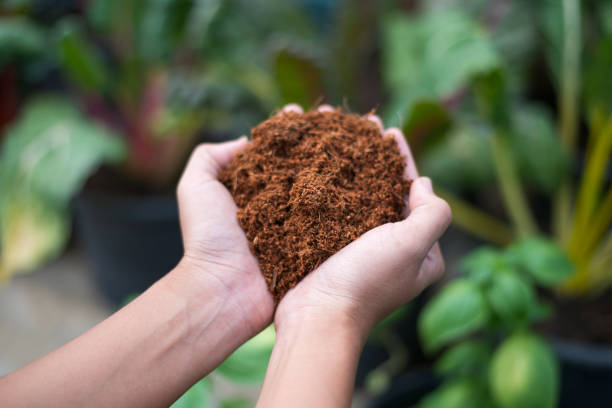
In a world grappling with water scarcity and soil degradation, coco peat is emerging as a sustainable game-changer for agriculture. Derived from the fibrous husk of coconuts, this eco-friendly growing medium offers unique benefits that are transforming the way we grow food. In this blog, we delve into the science behind coco peat—its composition, properties, applications, and its role in paving the way for a more sustainable future.
Understanding Coco Peat: Composition and Properties
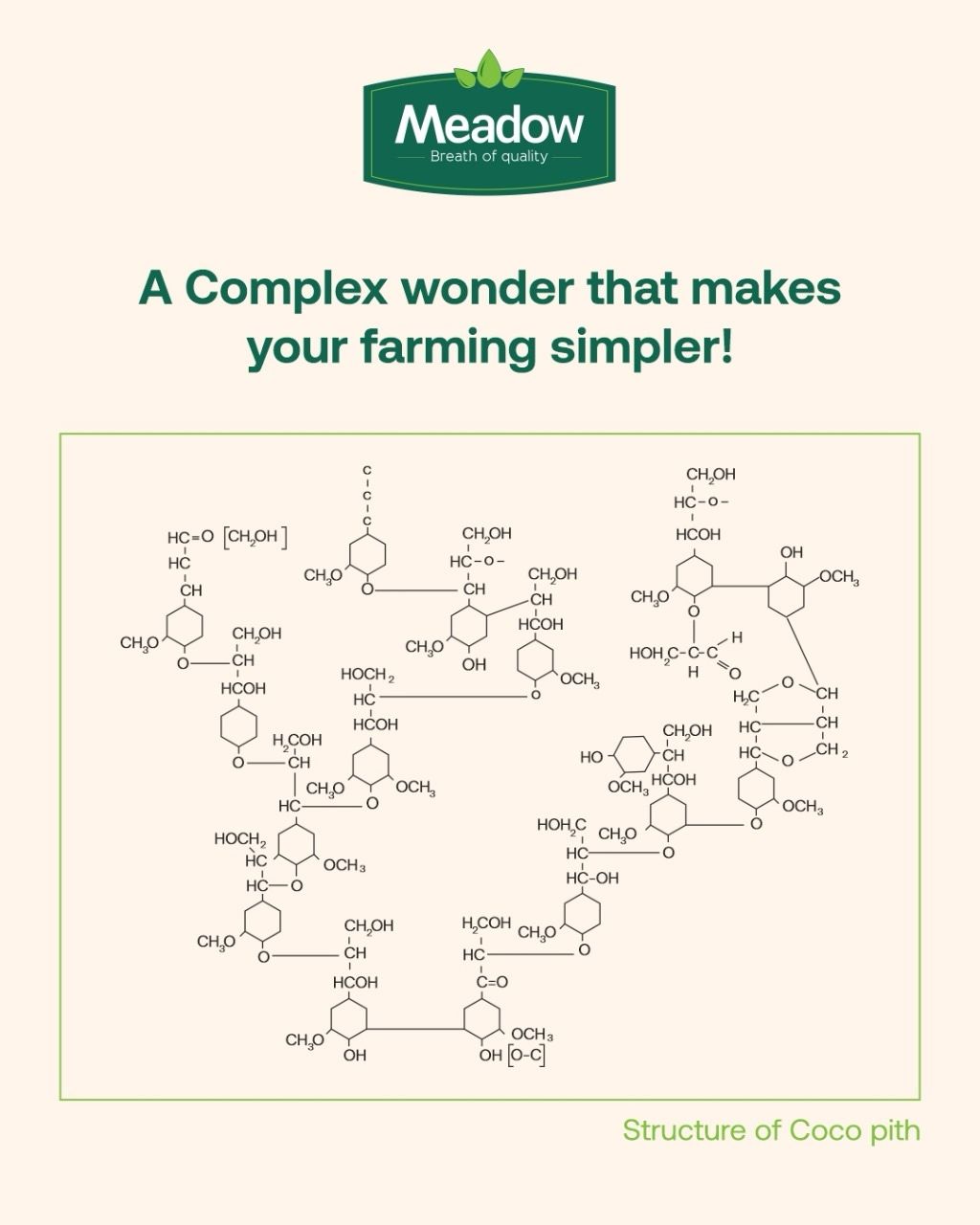
Coco peat, also known as coir pith, is made from the husk of coconuts resulting in a spongy, fibrous substrate that exhibits high porosity and aeration. It is primarily composed of lignin, cellulose, and hemicellulose. These components give coco peat its remarkable physical and chemical properties, making it a preferred choice for modern farming.
Key Components of Coco Peat:
- Lignin (30%): Strengthens coco peat’s structure, enhancing durability and stability over time.
- Cellulose (26.8%): Boosts water retention and nutrient-holding capacity, ensuring consistent hydration for plants.
- Hemicellulose: Aids in organic matter breakdown, promoting beneficial microbial activity in the soil.
Exceptional Water Retention Capacity
One of the standout features of coco peat is its ability to hold water up to 8 to 10 times its dry weight! This makes it an invaluable resource for farmers in water-scarce regions.
How Coco Peat Saves Water:
- Capillary Action: The fine fibers of coco peat create a network that evenly distributes moisture throughout the growing medium.
- Hydrophilic Nature: Its water-absorbing properties reduce the frequency of irrigation, saving both time and resources.
By integrating coco peat, farmers can significantly cut down on water usage while ensuring their crops stay hydrated.

Nutrient Retention and Release
Coco peat’s high cation exchange capacity (CEC), ranging from 20-30 meq/100 g, allows it to retain essential nutrients such as potassium, calcium, and magnesium, releasing them gradually to plants.
Nutrient Dynamics:
- Nutrient Release: The structure of coco peat allows for gradual nutrient release, reducing the risk of leaching and ensuring that plants receive a steady supply of nutrients over time.
- Microbial Activity: The organic composition of coco peat supports beneficial microbial populations, which play a crucial role in nutrient cycling and soil health.
pH Balance and Soil Improvement
The pH of coco peat is around 5.5 to 6.0, making it optimal for a wide range of crops. This adjustment is crucial for ensuring nutrient availability and promoting healthy plant growth.
Benefits for Soil:
- Improved Soil Structure: When mixed with traditional soil, coco peat enhances aeration and drainage, allowing roots to grow freely.
- Saline-Alkaline Soil Reclamation: It helps improve the fertility and productivity of degraded soils by enhancing their physico-chemical properties..
Coir Pith Organic Manure (C-POM) and Its Diversified Uses
Coir Pith Organic Manure (C-POM) is a valuable by-product of coir processing, obtained by composting raw pith with micro-organisms. It is rich in nutrients and beneficial for soil health in traditional agriculture. It serves multiple purposes, including:
- Soil Conditioner: Enhances soil structure and fertility.
- Mulch: Helps retain soil moisture and suppress weeds.
- Growing Medium: Used in hydroponics and as a substrate for various crops.
The diversified uses of coir pith underscore its role in revolutionizing farming practices by providing a sustainable and effective alternative to chemical fertilizers and peat.
The Future of Coco Peat in Agriculture
Coco peat is transforming agriculture, especially in regions where traditional farming is challenging. In arid and semi-arid areas, where water scarcity is a significant issue, coco
peat’s high water retention capacity makes it an invaluable resource. Countries like India and parts of Africa are increasingly adopting coir pith to enhance soil moisture retention and improve crop yields.
Moreover, with Europe planning to ban peat moss by 2026 due to environmental concerns, coir pith presents a sustainable alternative. Its properties, such as excellent aeration, nutrient retention, and biodegradability, make it a preferred choice for horticulture and agriculture, especially in regions transitioning away from peat-based products.
Conclusion
Coco peat is not just a growing medium, it is a scientifically-backed solution that addresses many challenges faced by traditional agriculture. Its exceptional water retention, nutrient- holding capacity, and environmental benefits make it a revolutionary choice for farmers worldwide. Supported by coir organizations and driven by sustainability metrics, coco peat is paving the way for a more sustainable and productive future in farming.